Frog Infestations Around Ponds and Pools: What Homeowners Should Know
Homeowners dealing with frog infestations around ponds and pools can rely on local contractors to effectively remove frogs and prevent future invasions.
Homeowners with ponds or pools in their yards may find themselves facing unexpected challenges when frog infestations become a concern. These amphibians are often attracted to standing water, making residential water features a natural habitat. While frogs can add a touch of nature to outdoor spaces, large numbers or persistent infestations can lead to nuisances or even health considerations. Understanding how these creatures interact with residential water features can help property owners make informed decisions about maintaining a safe and enjoyable outdoor environment.
For those dealing with ongoing frog issues around ponds and pools, connecting with local service providers who specialize in frog infestation removal can offer practical solutions. These professionals understand the local ecosystem and have effective methods for managing frog populations without disrupting the natural balance. Exploring options for professional removal can be a helpful step in ensuring outdoor spaces remain comfortable and free from unwanted amphibian visitors.
- Frog infestation removal - homeowners noticing an increase in frogs around ponds and pools may need local service providers to address breeding sites and reduce populations.
- Frog habitat control - when frogs are nesting near water features, local contractors can implement habitat modification strategies to discourage their presence.
- Frog exclusion services - if frogs are entering pool areas or outdoor structures, local pros can install barriers or deterrents to keep them out.
- Pond and water feature management - persistent frog activity around ponds may require professionals to modify landscaping or water conditions to make the area less attractive to frogs.
- Frog population reduction - large or ongoing frog infestations around residential water features can be managed by local experts who employ targeted removal techniques.
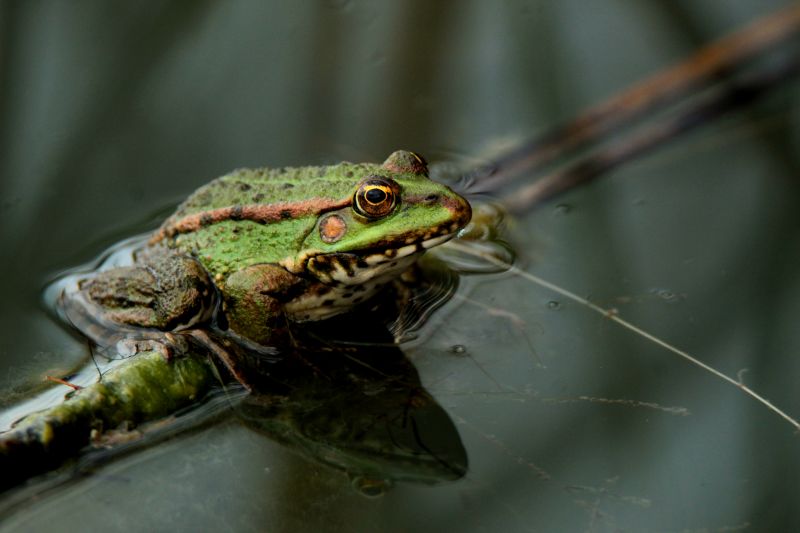
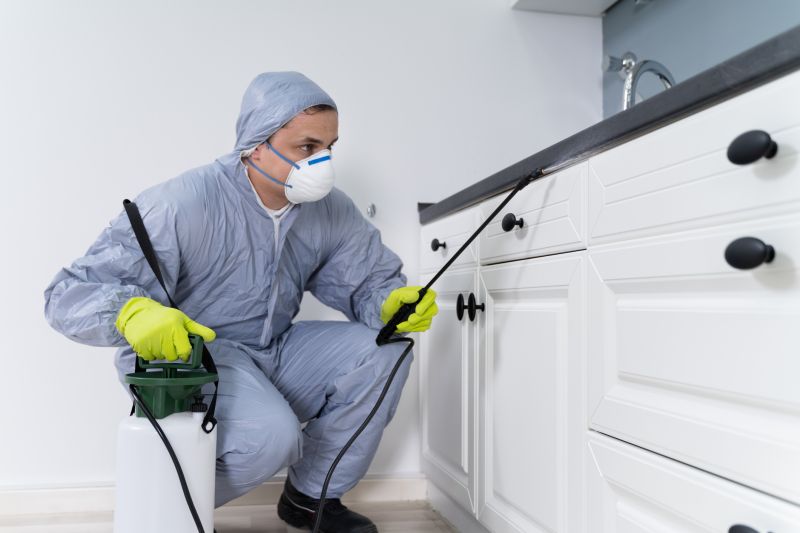
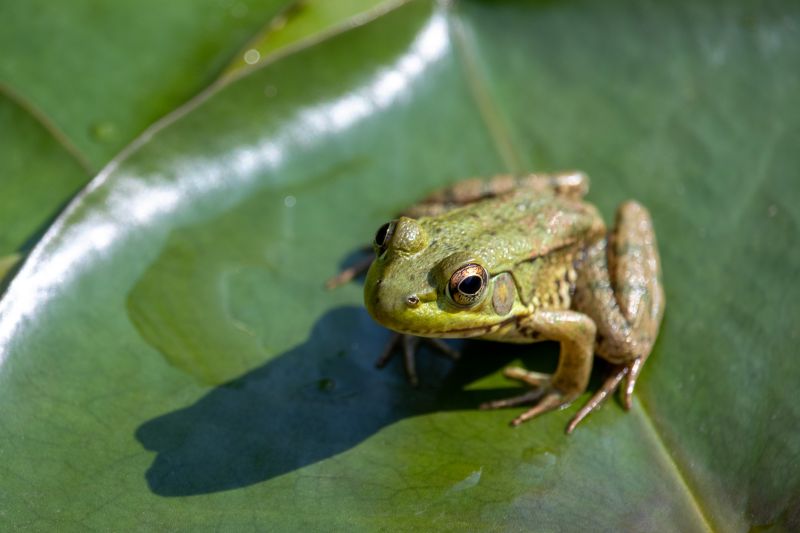
When homeowners search for information about frog infestations around ponds and pools, they are usually concerned about the presence of large numbers of frogs or tadpoles in their outdoor water features. This interest often stems from noticing an increase in frog activity, such as loud croaking, visible frogs near the water’s edge, or an abundance of tadpoles in ponds or pools. Many people want to understand whether these frogs pose a problem, how they might affect their property, or if their presence indicates underlying issues with their pond or pool environment. Such searches typically relate to plans for managing or preventing frog populations, maintaining water quality, or protecting nearby landscaping and outdoor living spaces from potential nuisances.
The problems associated with frog infestations around ponds and pools can vary. Frogs are generally harmless, but large populations can lead to noise disturbances, especially during breeding seasons when males croak loudly at night. Excess frogs or tadpoles can also contribute to water pollution, as their waste accumulates in the water, potentially leading to algae growth or water quality issues. Additionally, some homeowners may be concerned about frogs attracting predators or creating an environment that encourages other pests. These concerns often prompt plans for removal or control, especially if the frog population becomes overwhelming or begins to interfere with outdoor activities. Local service providers specializing in frog removal can help implement solutions that reduce frog populations while ensuring the health of the pond or pool environment.
Properties that typically experience frog infestations around ponds and pools tend to have certain features that attract amphibians. These include natural or man-made ponds, water features, or swimming pools that provide suitable breeding grounds. Properties with lush landscaping, dense vegetation, or areas with standing water are more likely to see increased frog activity, especially during warm months. Homes situated in suburban or rural areas near natural habitats, wetlands, or wooded regions are also more prone to frog populations, as these environments support amphibian life cycles. Understanding the specific property features that attract frogs can help homeowners plan effective management strategies, often with the assistance of local contractors who specialize in amphibian control and pond maintenance.
Addressing frog infestations around ponds and pools involves practical steps that homeowners can take, often with the help of local pros. These professionals can assess the property, identify breeding sites, and recommend targeted removal or habitat modification techniques. Common approaches include installing barriers or netting to prevent frogs from entering water features, removing excess vegetation that provides hiding spots, or modifying pond conditions to make them less attractive for breeding. Because frogs are a natural part of many ecosystems, the goal is usually to manage their populations without causing harm, while ensuring the water features remain enjoyable and free from excessive noise or pollution. Connecting with experienced local contractors ensures that the removal process aligns with the property’s specific needs and environmental considerations, making it easier for homeowners to manage frog populations effectively.
Pond and water feature installation - professionals experienced in creating and maintaining ponds can help design water features that minimize frog habitats and prevent infestations.
Landscape drainage and grading services - local contractors who specialize in drainage solutions can reduce standing water around pools and ponds, discouraging frog presence.
Pool and pond fencing installation - fencing experts can install barriers that limit frog access to water bodies and reduce infestation risks.
Water feature repair and maintenance - service providers who handle pond and fountain upkeep can identify and address conditions that attract frogs.
Yard and garden cleanup services - landscapers can remove debris and excessive vegetation that serve as hiding spots for frogs near water features.
Wildlife exclusion and habitat modification - local pros can implement strategies to make properties less inviting to frogs and other pests around ponds and pools.
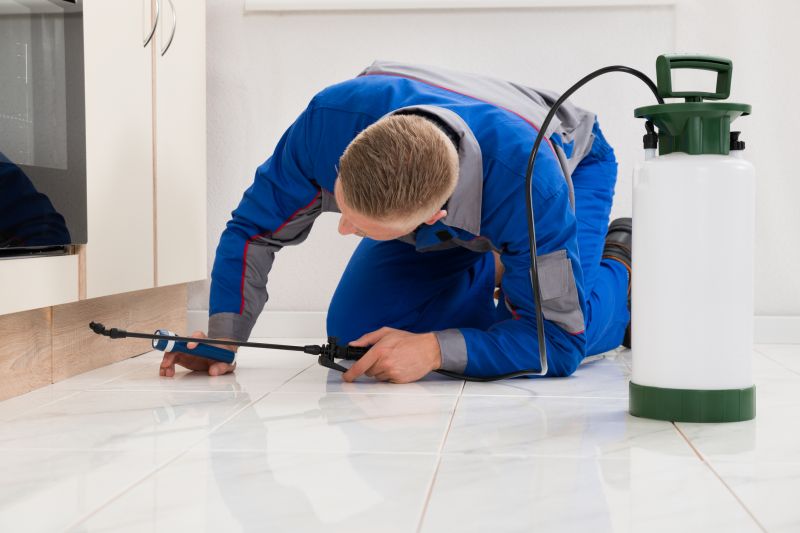
When evaluating service providers for frog infestations around ponds and pools, it is important to consider their experience with similar projects. Homeowners should inquire about the number of times the contractor has handled frog removal or related wildlife issues in residential settings. An experienced local contractor will have a better understanding of the common causes of frog overpopulation near water features and will be familiar with effective removal and deterrent techniques. This background can help ensure that the chosen professional is capable of addressing the specific challenges associated with frog infestations around ponds and pools.
Clear written expectations are essential when selecting a frog infestation removal service. Homeowners should seek detailed explanations of the scope of work, including the methods that will be used to remove frogs and prevent future infestations. A reputable contractor will provide a transparent outline of the process, what to expect during and after the service, and any recommendations for ongoing maintenance. Having these expectations documented helps avoid misunderstandings and ensures that both parties are aligned on the goals and procedures for managing frog issues around water features.
Reputable references and effective communication are key factors in choosing a reliable local contractor. Homeowners should ask for references from previous clients who had similar frog-related concerns, as this can provide insight into the contractor’s track record and professionalism. Additionally, good communication involves responsiveness, clarity, and the ability to answer questions thoroughly. Service providers who prioritize clear dialogue and provide transparent information are more likely to deliver a positive experience and ensure that the homeowner feels confident in the approach taken to address frog infestations around ponds and pools.
Property owners often search for frog infestations around ponds and pools: what homeowners should know when they are planning practical projects around their homes and businesses. Local pros provide Frog Infestation Removal services for everyday jobs and straightforward project options.
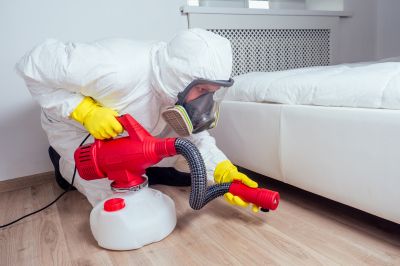
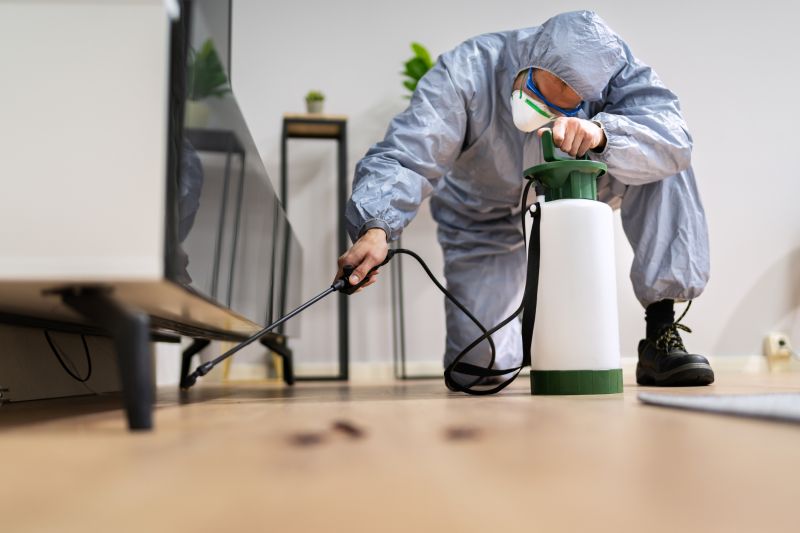
Frog infestations around ponds and pools are a common concern for homeowners who notice an increase in frog activity or find frogs gathering near water features. These situations often arise during warmer months when frogs are seeking suitable breeding sites or shelter. Homeowners might search for information on how to manage or prevent frog populations, especially if the frogs are causing disturbances or if they are worried about frogs entering their pools. Local contractors who specialize in frog infestation removal can provide effective solutions to help reduce frog presence and maintain a peaceful outdoor environment.
In many cases, property owners look into frog infestation removal services when they observe frogs repeatedly returning to their ponds or pools despite basic efforts to deter them. Simple reasons for seeking professional help include the need for humane removal methods or the desire to address underlying issues such as excess vegetation or standing water that attract frogs. Service providers experienced in frog control can evaluate the property, identify factors contributing to the infestation, and implement targeted removal techniques to help keep frogs at bay. Connecting with local experts ensures that homeowners receive practical advice and effective assistance for managing frog populations around their water features.
Why are frogs attracted to ponds and pools? Frogs are naturally drawn to ponds and pools because they provide suitable breeding sites, shelter, and access to water, which are essential for their survival and reproduction.
How can I tell if frog infestations are becoming a problem around my pond or pool? Signs include increased frog activity, visible frogs near water features, and the presence of frog eggs or tadpoles, indicating a growing population that may require removal services.
What methods do local service providers use to remove frog infestations? Service providers typically employ humane removal techniques, habitat modification, and exclusion methods to reduce frog populations around ponds and pools.
Are there any steps I can take to prevent future frog infestations? Yes, maintaining pond or pool cleanliness, removing debris, and modifying landscaping to discourage frogs from settling nearby can help prevent future infestations.
Why should I consider professional frog infestation removal services? Professionals have experience in safely and effectively reducing frog populations, ensuring that your pond or pool remains a safe and enjoyable outdoor space.
Identify breeding areas - Homeowners can evaluate their pond or pool surroundings to spot potential frog breeding sites and seek advice from local contractors on effective removal methods.
Install barriers - Creating physical barriers around ponds and pools can help prevent frogs from entering, with local service providers offering installation solutions.
Remove debris and hiding spots - Clearing away rocks, tall grass, and other hiding places reduces frog habitats, and professionals can assist with safe removal practices.
Maintain water features - Regular upkeep of ponds and pools, such as controlling vegetation and ensuring proper drainage, can minimize frog attraction, with local contractors providing maintenance support.
If you are thinking about frog infestations around ponds and pools: what homeowners should know for a property, this guide is meant to help you understand this topic, the typical project types, and how different options might fit your plans.
When you are ready, you can use the quote form on this page to share a few details about your project. From there, local pros can review the basics and follow up with options that match what you have in mind.